
Do Video Demonstrations Match Written Massage Chair Reviews?
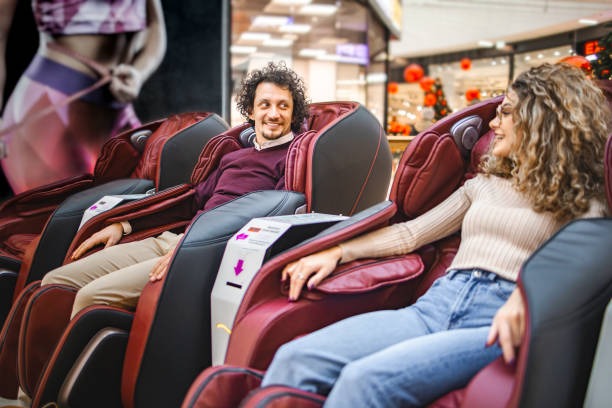
In the realm of consumer decision-making, especially for products as intricate and costly as massage chairs, the reliance on reviews plays a pivotal role. Potential buyers frequently turn to both written reviews and video demonstrations to gain insights into the product’s performance, features, and overall value. However, a common question arises: do video demonstrations truly match written massage chair reviews? Exploring this query requires understanding the strengths and limitations inherent in each format.
Written reviews offer detailed descriptions that often include user experiences, technical specifications, pros and cons, and comparisons with other models. These narratives are typically crafted after prolonged use or extensive research by consumers or experts. They provide depth by discussing subtle nuances such as comfort levels over time, durability issues, customer service interactions, and even long-term health benefits or drawbacks. Readers benefit from these comprehensive evaluations because they can assess aspects not immediately visible during a short demonstration.
On the other hand, video demonstrations excel at providing immediate visual context. Watching a massage chair reviews in action allows potential buyers to observe its design aesthetics, range of motion, speed settings in real-time operation, noise levels during use, and how it fits within a living space. Videos can showcase features like zero gravity positioning or heated rollers dynamically-elements that might be difficult to fully grasp through text alone. Additionally, seeing an actual person using the chair helps viewers visualize themselves experiencing similar benefits.
Despite these advantages of videos offering tangible proof of functionality and user interface ease-of-use at first glance; they may lack critical subjective feedback that written reviews capture better over time. For instance, while a video might demonstrate how smoothly rollers move along the back initially; it cannot convey whether those sensations remain comfortable after multiple sessions or if certain pressure points cause discomfort later on.
Moreover, some video content tends toward promotional rather than impartial presentation due to sponsorships or marketing motives influencing what is highlighted versus omitted. Written reviews sourced from independent users often provide more balanced perspectives including unexpected flaws or maintenance challenges encountered post-purchase.
When comparing both formats side-by-side for massage chairs specifically; it becomes clear that neither wholly substitutes for the other but rather complements one another effectively when used together. Video demonstrations give instant impressions about mechanical operation whereas well-written critiques reveal experiential insights gathered over extended periods.
Ultimately consumers seeking thorough understanding should integrate information from both sources before making decisions about investing in massage chairs-a significant purchase intended to enhance wellness through relaxation technology. By combining visual evidence with thoughtful analysis found in text-based evaluations users achieve a more rounded picture ensuring expectations align closely with reality upon delivery and usage.
In conclusion though discrepancies sometimes exist between what videos display versus what written accounts report regarding massage chairs; using them jointly bridges gaps inherent individually thereby empowering smarter buying choices grounded in fuller knowledge rather than partial glimpses alone.




0